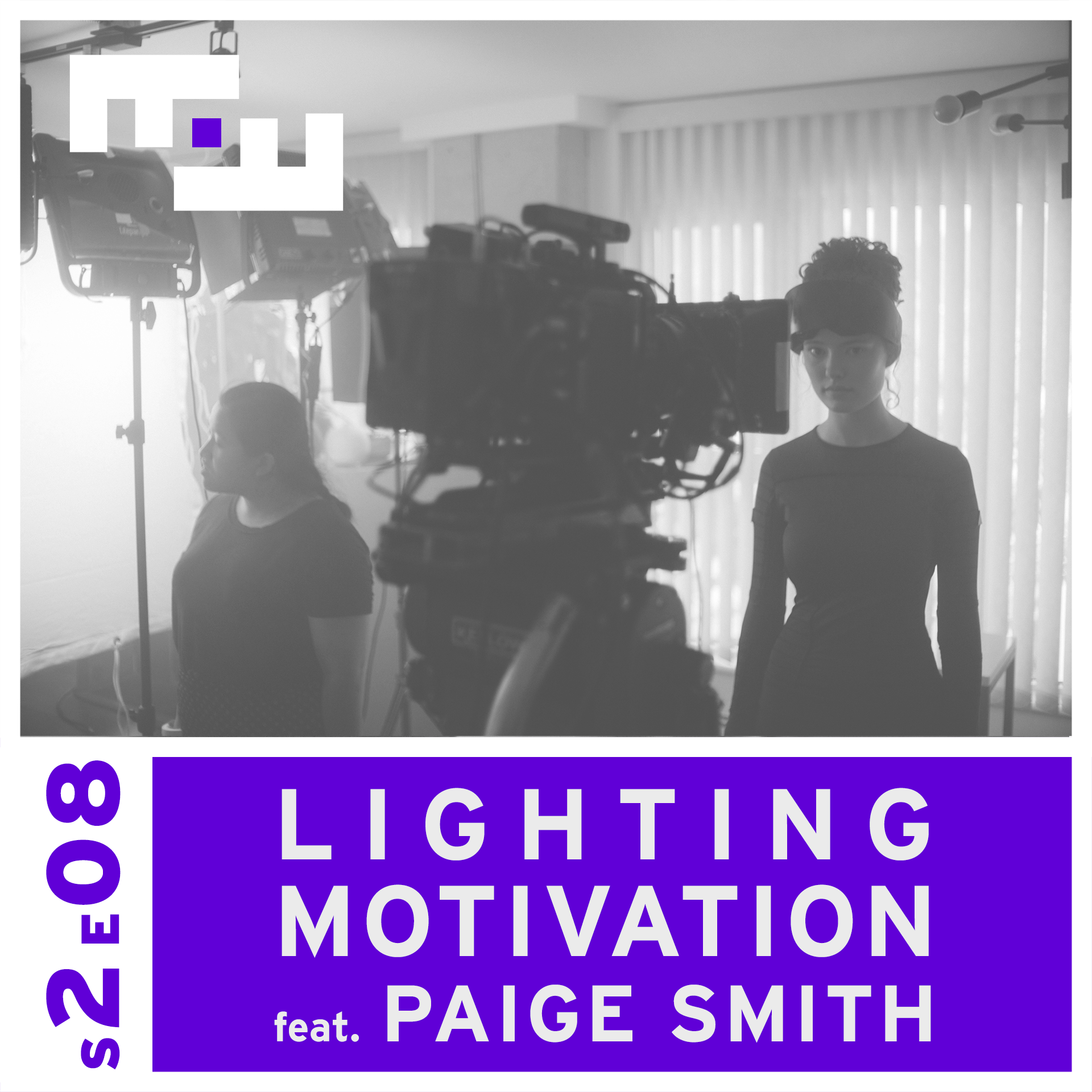
S2E08 - Lighting Motivation with Paige Smith
How do we light our movies? The answer for many starts with the idea of motivation. What, within the world of our film, justifies the light illuminating our stories? In this episode we once again sit down with Paige Smith to discuss the ins and outs of lighting ideology. Most films circa the 21st century are lit in a way that prizes ‘naturalism’; we delve into the reasoning behind this as well as other ideologies, including the theatrical lighting methods that dominated early and mid 20th century cinema.
How do we light our movies? The answer for many starts with the idea of motivation. What, within the world of our film, justifies the light illuminating our stories? In this episode we once again sit down with Paige Smith to discuss the ins and outs of lighting ideology. Most films circa the 21st century are lit in a way that prizes ‘naturalism’; we delve into the reasoning behind this as well as other ideologies, including the theatrical lighting methods that dominated early and mid 20th century cinema.
In this episode, we discuss:
Lighting ideologies and how they can influence our creative process.
The dangers of using the words “Key”, “Fill”, and “Backlight.”
The evolution of lighting linguistics, from the birth of cinema through the era of classical hollywood realism to modern-day realism.
Gendered lighting techniques and other broken methodologies.
Gregg Toland’s groundbreaking candlelight in The Grapes of Wrath.
Janusz Kaminski’s use of ‘documentary’ lighting in Schindler’s List.
Ellen Kuras’ use of broken lighting motivation in Eternal Sunshine of the Spotless Mind.
James Wong Howe and Roger Deakins’ lighting seminars.
If you’d like to support the show, here’s a link to our Patreon.
Additional Resources:
Films discussed during this episode:
The Grapes of Wrath (1940)
The Quiet Man (1952)
Schindler’s List (1957)
Eternal Sunshine of the Spotless Mind (1955)
Media:


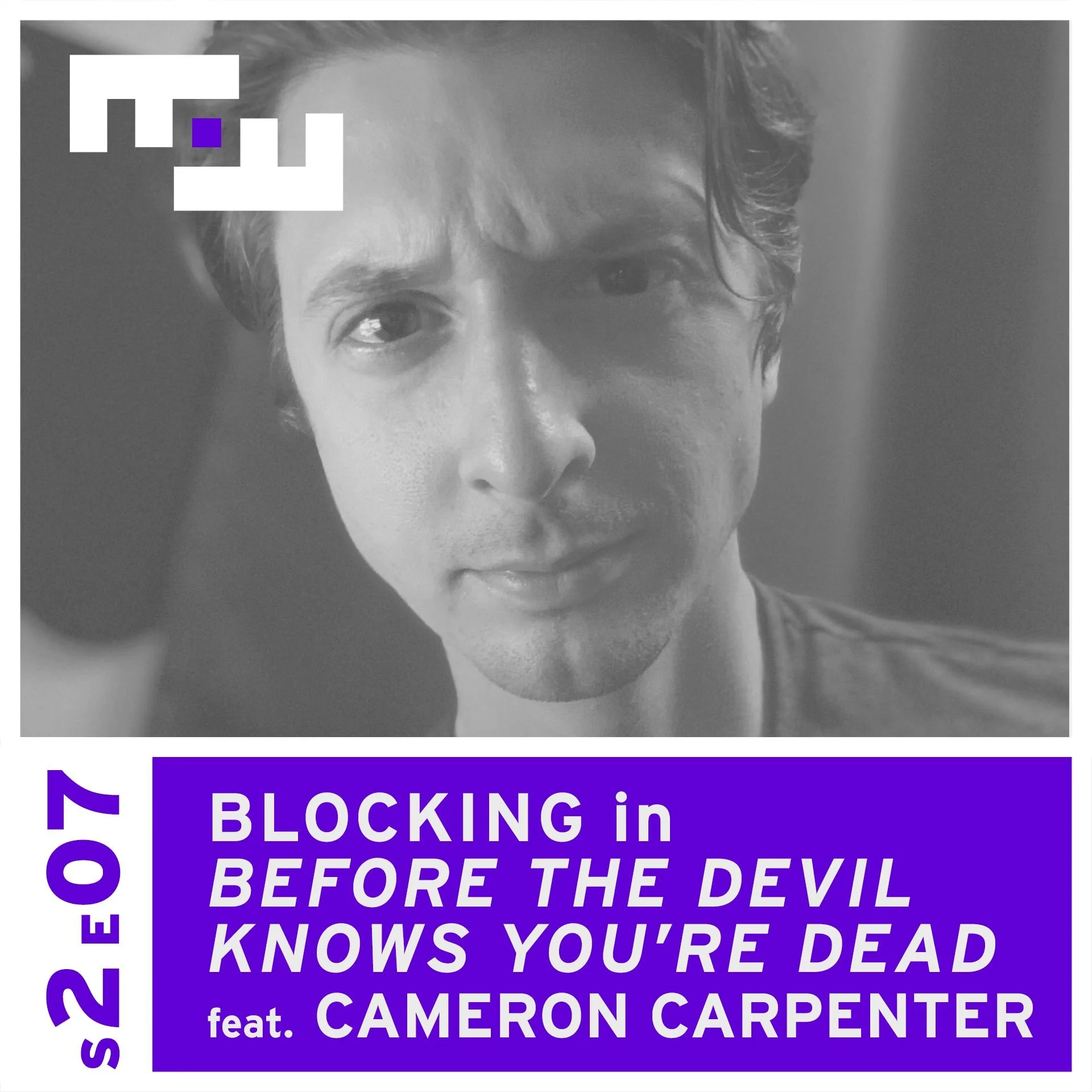
S2E07 - Blocking in Before the Devil Knows You're Dead
Okay, folks, it's time for blocking! The pre-planned arrangement, movement, and posturing of characters in a frame is one of a director's most artistically demanding on-set tasks, and nobody blocked a scene better than Sidney Lumet (whom we've already talked about once this season). Screenwriter and Lumet mega-fan Cameron Carpenter joined us to talk about the blocking in Lumet's swan song, Before the Devil Knows You’re Dead starring Phillip Seymour Hoffman and Ethan Hawke. We also found time to talk about the film as an early example of digital cinematography, and chatted about how critics responded to the presence of a naked woman in the film (not well) and directorial batting averages.
Okay, folks, it's time for blocking! The pre-planned arrangement, movement, and posturing of characters in a frame is one of a director's most artistically demanding on-set tasks, and nobody blocked a scene better than Sidney Lumet (whom we've already talked about once this season). Screenwriter and Lumet mega-fan Cameron Carpenter joined us to talk about the blocking in Lumet's swan song, Before the Devil Knows You’re Dead starring Phillip Seymour Hoffman and Ethan Hawke. We also found time to talk about the film as an early example of digital cinematography, and chatted about how critics responded to the presence of a naked woman in the film (not well) and directorial batting averages.
In this episode, we discuss:
What “blocking” entails and its origins.
Analysis of the blocking in several scenes of Before the Devil Knows You’re Dead.
The digital imagery of the film and Lumet’s unique status as an old-guard advocate for digital.
The sexist aspects of the film’s contemporaneous critical reception .
Cam workshops his stand-up material. ;)
If you’d like to support the show, here’s a link to our Patreon.
Additional Resources:
Films discussed during this episode:
12 Angry Men (1957)
The Verdict (1955)
Network (1976)
Zodiac (2007)
Click image to cycle through gallery
![Before.the.Devil.Knows.Youre.Dead.2007.1080p.Blu-ray.Remux.AVC.DTS-HD.MA.5.1-SF.mkv_snapshot_00.20.22_[2020.11.09_21.26.45].jpg](https://images.squarespace-cdn.com/content/v1/578e7a0c197aea26a696f7f1/1605002651473-KY6VU8AL2BXRPY25ECDC/Before.the.Devil.Knows.Youre.Dead.2007.1080p.Blu-ray.Remux.AVC.DTS-HD.MA.5.1-SF.mkv_snapshot_00.20.22_%5B2020.11.09_21.26.45%5D.jpg)
![Before.the.Devil.Knows.Youre.Dead.2007.1080p.Blu-ray.Remux.AVC.DTS-HD.MA.5.1-SF.mkv_snapshot_00.21.04_[2020.11.09_21.56.38].jpg](https://images.squarespace-cdn.com/content/v1/578e7a0c197aea26a696f7f1/1605002655102-K8VTR1QH5NP4SPXYN7KT/Before.the.Devil.Knows.Youre.Dead.2007.1080p.Blu-ray.Remux.AVC.DTS-HD.MA.5.1-SF.mkv_snapshot_00.21.04_%5B2020.11.09_21.56.38%5D.jpg)
![Before.the.Devil.Knows.Youre.Dead.2007.1080p.Blu-ray.Remux.AVC.DTS-HD.MA.5.1-SF.mkv_snapshot_01.02.26_[2020.11.09_22.01.32].jpg](https://images.squarespace-cdn.com/content/v1/578e7a0c197aea26a696f7f1/1605002736876-A63JNDESDOWVUU798AVY/Before.the.Devil.Knows.Youre.Dead.2007.1080p.Blu-ray.Remux.AVC.DTS-HD.MA.5.1-SF.mkv_snapshot_01.02.26_%5B2020.11.09_22.01.32%5D.jpg)
![Before.the.Devil.Knows.Youre.Dead.2007.1080p.Blu-ray.Remux.AVC.DTS-HD.MA.5.1-SF.mkv_snapshot_01.17.00_[2020.11.09_22.00.06].jpg](https://images.squarespace-cdn.com/content/v1/578e7a0c197aea26a696f7f1/1605002684631-A4O9QMQJS3RVVJF5CBXO/Before.the.Devil.Knows.Youre.Dead.2007.1080p.Blu-ray.Remux.AVC.DTS-HD.MA.5.1-SF.mkv_snapshot_01.17.00_%5B2020.11.09_22.00.06%5D.jpg)
![Before.the.Devil.Knows.Youre.Dead.2007.1080p.Blu-ray.Remux.AVC.DTS-HD.MA.5.1-SF.mkv_snapshot_01.19.21_[2020.11.09_20.40.16].jpg](https://images.squarespace-cdn.com/content/v1/578e7a0c197aea26a696f7f1/1605002690833-S32DUINAJGVJE92LZBID/Before.the.Devil.Knows.Youre.Dead.2007.1080p.Blu-ray.Remux.AVC.DTS-HD.MA.5.1-SF.mkv_snapshot_01.19.21_%5B2020.11.09_20.40.16%5D.jpg)
![Before.the.Devil.Knows.Youre.Dead.2007.1080p.Blu-ray.Remux.AVC.DTS-HD.MA.5.1-SF.mkv_snapshot_01.19.37_[2020.11.09_20.41.11].jpg](https://images.squarespace-cdn.com/content/v1/578e7a0c197aea26a696f7f1/1605002693984-X2JUFW5OCS1NS56WGE3A/Before.the.Devil.Knows.Youre.Dead.2007.1080p.Blu-ray.Remux.AVC.DTS-HD.MA.5.1-SF.mkv_snapshot_01.19.37_%5B2020.11.09_20.41.11%5D.jpg)
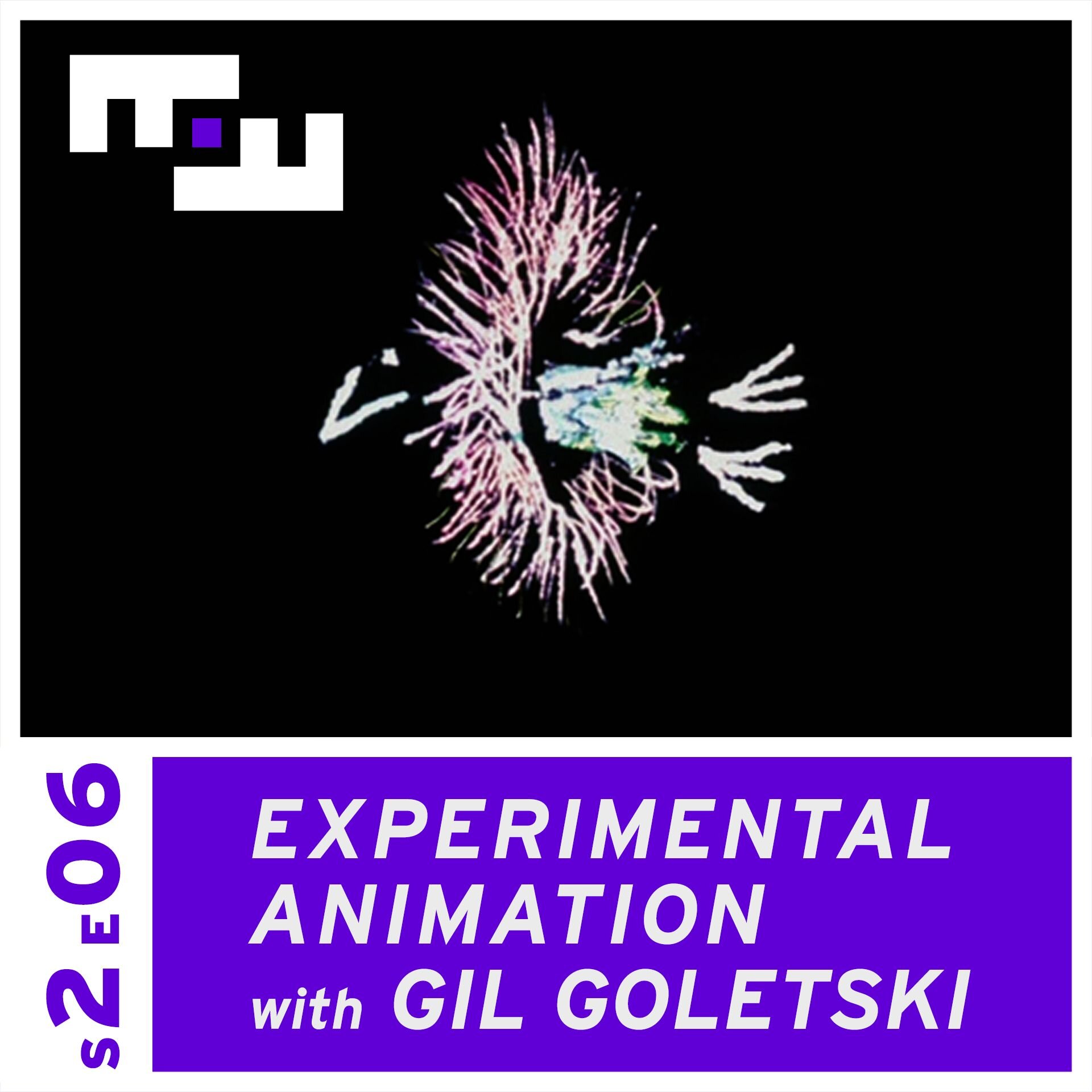
S2E06 - Experimental Animation feat. Gil Goletski
Today we're taking a trip through a few of the wild worlds of experimental animation, to get a sense of what makes these proudly bizarre shorts — which take on or even invent processes unheard of in mainstream animated films — feel so persuasive and affecting. We're joined by animator Gil Goletski, who came with an excellent program of shorts to watch (all of which you can see for free online), and who was happy to indulge (or initiate) some digressions into comedy and experimentalism, the shame of an unseen canon, and Sister Act 2: Back in the Habit (and we cut far more of the latter subject than you might suspect from what's left).
Today we're taking a trip through a few of the wild worlds of experimental animation, to get a sense of what makes these proudly bizarre shorts — which take on or even invent processes unheard of in mainstream animated films — feel so persuasive and affecting. We're joined by animator Gil Goletski, who came with an excellent program of shorts to watch (all of which you can see for free online, see shownotes below), and who was happy to indulge (or initiate) some digressions into comedy and experimentalism, the shame of an unseen canon, and Sister Act 2: Back in the Habit (and we cut far more of the latter subject than you might suspect from what's left).
In this episode, we discuss:
The distinctive between a “realistic” aesthetic and a “persuasive” one, and why we prefer the latter as a standard of judgment.
Which animation processes used for each short.
What’s different between animation and live action — or, more to the point, what’s the same..
How digital animation tends to be judged and executed using traditional standards.
Dad movies.
Sister Act 2: Back in the Habit.
If you’d like to support the show, here’s a link to our Patreon.
Additional Resources:
Films discussed during this episode, each viewable for free:
"Arnulf Rainer" (1960) [Photosensitivity warning: this film uses rapid high contrast flashing]
"Blinkety Blank" (1955)
"The Owl Who Married a Goose" (1974)
"Metadata" (1971)
"Not so fast" (2019)
"I Don’t Know What" (2019) [Photosensitivity warning: this film uses rapid high contrast flashing]
"Angel’s Egg" (1985) [The excerpt discussed begins at 0:14:00 and ends at 0:16:00[
"Face Like a Frog" (1987)
"Goodbye Forever Party" (2017)
Other films discussed:
“Pinscreen”, an NFB documentary on pinscreen animation.
One Hundred and One Dalmations (1961)
Sister Act 2: Back in the Habit (1993)
We are not linking Gil’s website. G*l*tsk*.
About Gil Goletski
gil goletski (b. 1995) is an autistic and transgender multi disciplinary artist living as a settler on the unceded and traditional territories of the Musqueam, Squamish and Tsleil-Waututh people. they make animation, illustration, comics, music, and print media. their animation and music work has been featured in art spaces throughout canada, and their animated film work in festivals internationally. they are a founding member of the vancouver based animation collective, flavourcel.

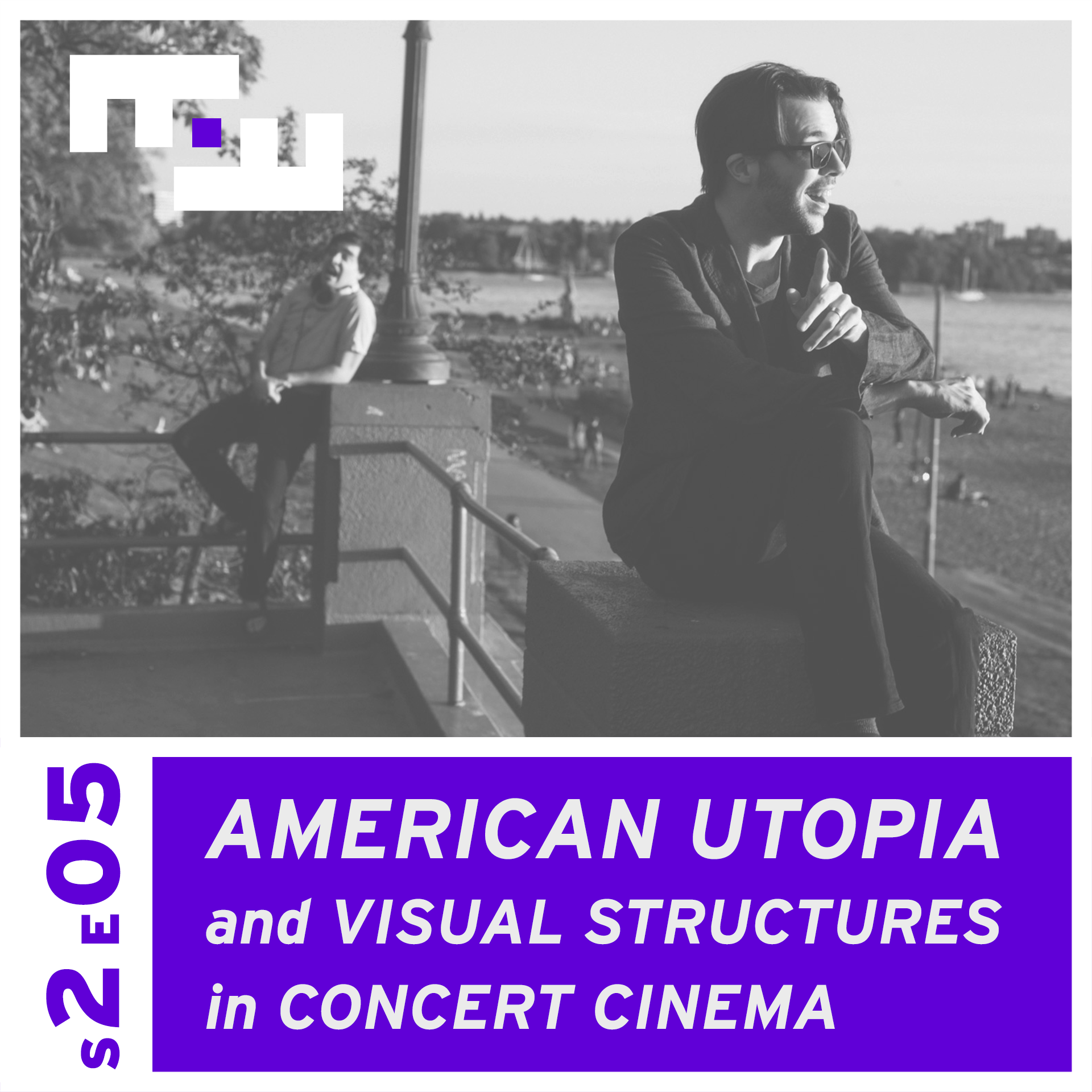
S2E05 - American Utopia and Visual Structures in Concert Cinema
There’s a new concert film out! It’s called David Byrne’s American Utopia, directed by none other than Spike Lee and shot by none other than Ellen Kuras. It documents David Byrne’s most recent tour-turned Broadway show, and it’s drawn much discussion: in particular, to David Byrne’s previous high-profile concert film, Stop Making Sense. We took this release as an opportunity to delve into the entire genre of concert cinema, and the difficulties that arise when one must turn a stage-bound show intended for a live audience into a film object, and various directors and cinematographers have sought to bridge that gap.
There’s a new concert film out! It’s called David Byrne’s American Utopia, directed by none other than Spike Lee and shot by none other than Ellen Kuras. It documents David Byrne’s most recent tour-turned Broadway show, and it’s drawn much discussion: in particular, to David Byrne’s previous high-profile concert film, Stop Making Sense. We took this release as an opportunity to delve into the entire genre of concert cinema, and the difficulties that arise when one must turn a stage-bound show intended for a live audience into a film object, and various directors and cinematographers have sought to bridge that gap.
In this episode, we discuss:
Why do we film concerts? Documentation, or to create a distinct cinematic object?
The ways in which American Utopia succeeds and fails as a cinematic experience.
The methods which various filmmakers employ to impose visual structures upon live concerts.
Jordan Cronenweth, Ellen Kuras, Albert Maysles, and the ways in which each has impacted concert cinematography.
Devan’s downright unhealthy affinity for Neil Young’s Trunk Show
Why the heck do they keep interviewing the bands in these things, especially when that band is U2.
If you’d like to support the show, here’s a link to our new Patreon.
Additional Resources:
Films discussed during this episode:
David Byrne’s American Utopia (Spike Lee, 2020)
Stop Making Sense (Jonathan Demme, 1984)
Jazz on a Summer’s Day (Bert Stern, Aram Avakian, 1959)
Monterey Pop (D.A. Pennebaker, 1967)
Gimme Shelter (Chartlotte Zwerin, Albert & David Maysles, 1970)
Woodstock (Michael Wadleigh, 1970)
The Last Waltz (Martin Scorsese, 1978)
U2: Rattle and Hum (Phil Joanou, 1988)
Bjork: Biophilia (Peter Strickland & Nick Fenton, 2014)
Awesome; I Fuckin' Shot That! (Adam Yauch, 2006)
Berlin: Live at St. Ann's Warehouse (Julian Schnabel, 2008)
Heart of Gold (2006), Trunk Show (2009), Journeys (2011) (Jonathan Demme)
Shine a Light (Martin Scorsese, 2008)
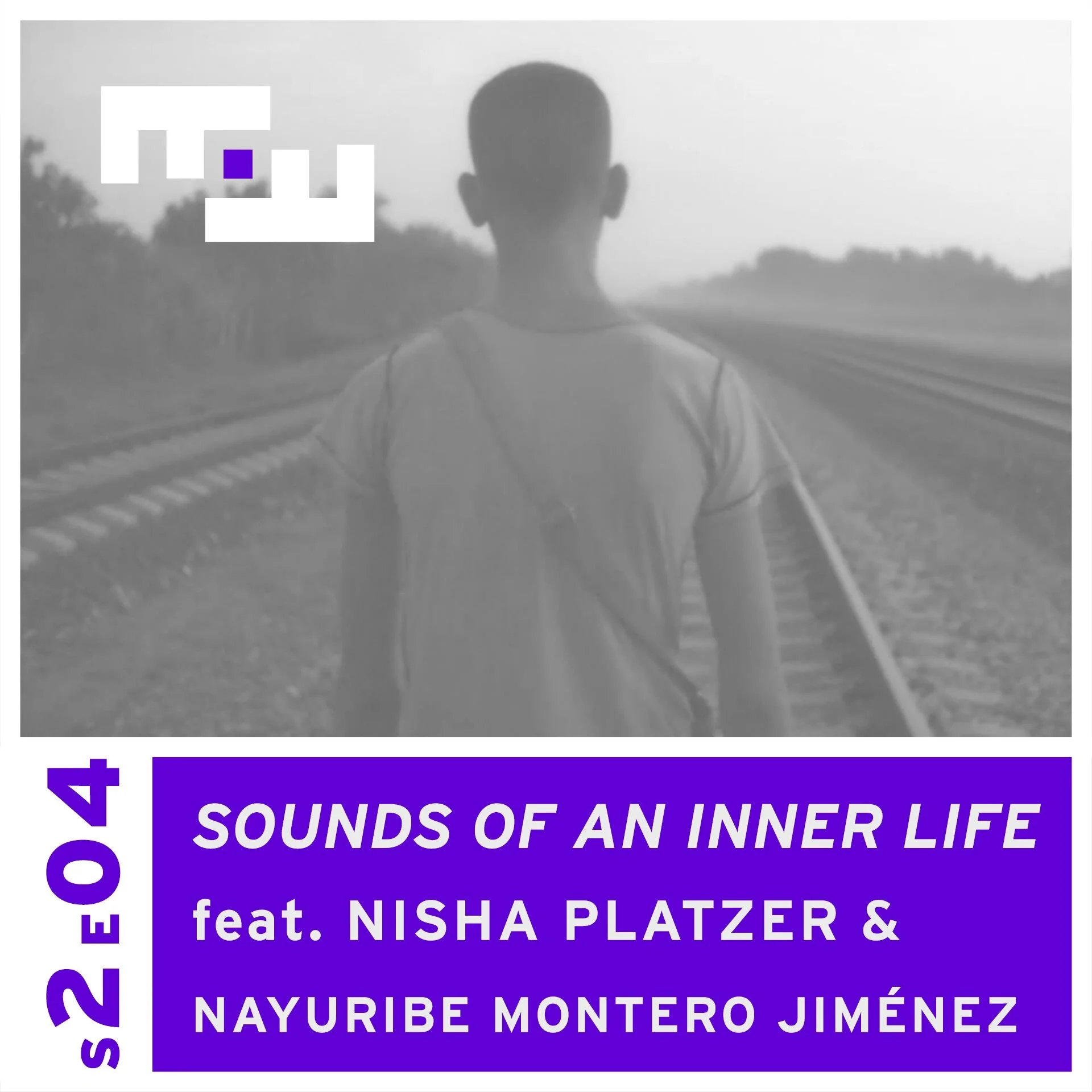
S2E04 - Sounds of an Inner Life
How do you establish a sense of space through sound, not just as a means of describing a physical space, but the inner state of a person? Filmmakers Nisha Platzer and Nayuribe Montero Jimenez join us to discuss how they pulled that off when they sculpted the sonic shape of both the Cuban landscape and a silent, train-fixated boy within it in their short film Vaivén.
How do you establish a sense of space through sound, not just as a means of describing a physical space, but the inner state of a person? Filmmakers Nisha Platzer and Nayuribe Montero Jimenez join us to discuss how they pulled that off when they sculpted the sonic shape of both the Cuban landscape and a silent, train-fixated boy within it in their short film Vaivén.
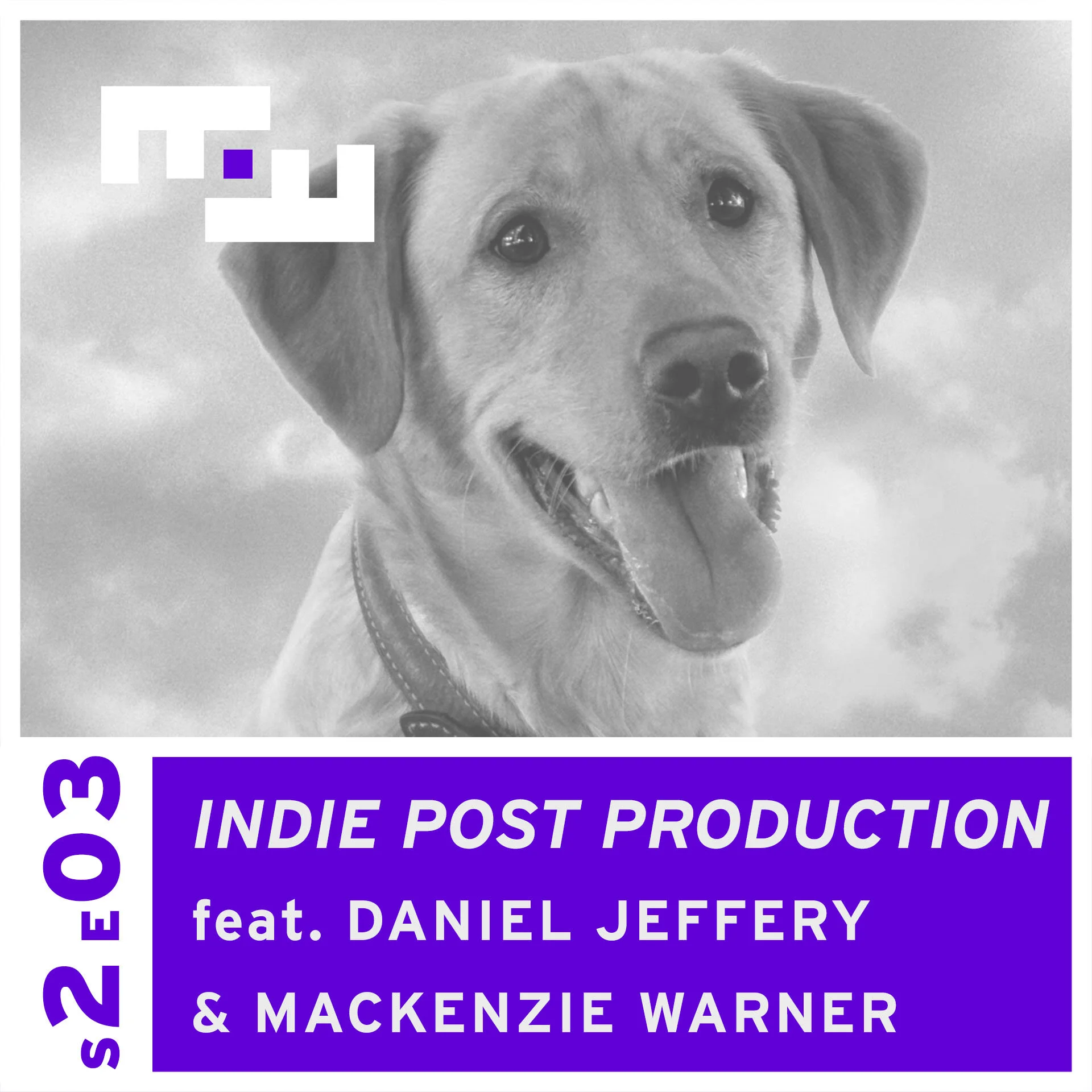
S2E03 - Indie Post Production
This time around we’re using our personal experiences to shed light on one version of how post production on an independent film can play out, discussing how we helped Daniel Jeffery and Mackenzie Warner finish the short film they co-wrote, A New Leash on Life. The four of us discuss our respective roles of editor, composer, colourist, and sound designer, sharing anecdotes and our personal theories of the craft along with our fair share of silly tangents.
This time around we’re using our personal experiences to shed light on one version of how post production on an independent film can play out, discussing how we helped Daniel Jeffery and Mackenzie Warner finish the short film they co-wrote, A New Leash on Life. The four of us discuss our respective roles of editor, composer, colourist, and sound designer, sharing anecdotes and our personal theories of the craft along with our fair share of silly tangents.
In this episode, we discuss:
The challenges of tone in creating a drama — or is it a dark comedy? — about a talking dog trying to negotiate his way out of being put down.
How out-there editing experiments like bonkers alternate cuts can help find the right tone and rhythm.
Finding the right perspective and irony level in a comedy score
Turning technical errors like infrared pollution (don’t worry, we explain what it is) into autumnal glory in the colour suite.
Searching for the sounds that complete a scene and keep it on-course for the right laughs at the right time
Where each of our personal responsibility lies as we work on our own post-production tasks.
If you’d like to support the show, here’s a link to our new Patreon.
Additional Resources:
Films discussed during this episode:
A New Leash on Life (2020)
The Amazing Spider-Man 2 (2014)
The Grand Budapest Hotel (2014)
The Burbs (1989)
Airplane! (1980)
Space Jam 2 (The plan is apparently 2021, but honestly, who knows)
You can listen to or buy some of Mackenzie’s music here.
S2E02 - Varda By Agnes: What is Videography?
In which we discuss Agnes Varda’s final film, Varda by Agnes, and the questions it poses about the nature of cinema: is it simply a piece of lecture videography? The swan song from one of the greatest artists of our time? Both? The fundamentals of what constitute “Videography” and “Filmmaking” are put on trial as we interrogate Varda's late work.
In which we discuss Agnes Varda’s final film, Varda by Agnes, and the questions it poses about the nature of cinema: is it simply a piece of lecture videography? The swan song from one of the greatest artists of our time? Both? The fundamentals of what constitute “Videography” and “Filmmaking” are put on trial as we interrogate Varda's late work.
In this episode, we discuss:
The line between ‘videography’ (digitally-filmed commercial content) and ‘filmmaking’.
How shall we judge a work of art when the intent is not to make an ‘art film’, but it is received as such?
Agnes Varda’s intensely varied career.
Our unrealistic and unhealthy expectations of canonical filmmakers and consistency.
If you’d like to support the show, here’s a link to our new Patreon.
Additional Resources:
Films and video games discussed during this episode:
Varda By Agnes (2019, Agnes Varda)
The Beaches of Agnes (2008 Agnes Varda)
The Gleaners and I (2000, Agnes Varda)
Filming “Othello” (1978, Orson Welles)
Three Colours: Blue (1993, Krzysztof Kieślowski)
The Rolling Thunder Revue (2019, Martin Scorsese)
S2E01 - Fail Safe and Contrast
We kick off our second season talking about one of our favourite films, Fail Safe, and its extraordinary use of contrast not just as an aesthetic, but as the guiding philosophy behind the whole film. Sidney Lumet’s nuclear thriller employs endless contrasts: between dark and light, fast and slow, loud and quiet, abstraction and realism, and the life and death contrasts of nuclear war and its ideologies. All this contrast adds up to a one-of-a-kind nail-biting experience, and we’re here to walk you through how so much of the film’s construction centers on that one unifying concept.
We kick off our second season talking about one of our favourite films, Fail Safe, and its extraordinary use of contrast not just as an aesthetic, but as the guiding philosophy behind the whole film. Sidney Lumet’s nuclear thriller employs endless contrasts: between dark and light, fast and slow, loud and quiet, abstraction and realism, and the life and death contrasts of nuclear war and its ideologies. All this contrast adds up to a one-of-a-kind nail-biting experience, and we’re here to walk you through how so much of the film’s construction centers on that one unifying concept.
In this episode, we discuss:
The definition of contrast, including a primer on what it means for a digital display to show high-contrast imagery
Why Fail Safe is a fitting project for an approach that emphasizes contrast.
The many, many ways the film indulges in the idea of contrast, including its script, its sound, its visuals, its edit and a myriad of other details and techniques.
The importance of “formal arcs” in movies (with some harsh words for Judgment at Nuremberg).
Why acting performances don’t always get worse when they’re obscured by shadow or objects.
If you’d like to support the show, here’s a link to our new Patreon.
Additional Resources:
Films and video games discussed during this episode:
Dr. Strangelove or: How I Learned to Stop Worrying and Love the Bomb (1964)
12 Angry Men (1957)
Seven Days in May (1964)
Judgment at Nuremberg (1961)
Wargames (1983)
Defcon (Video Game, 2006)


Season Break Special - State of the Podcast & Listener Q&A
As season 1 comes to a close, Devan and Will take stock, answer your questions, and look forward to the new season, which will begin on September 22nd.
As season 1 draws to a close, Devan and Will take stock, answer your questions, and look forward to the new season, which will begin on September 22nd.
Here’s a link to our new Patreon, if you’d like to support the show.
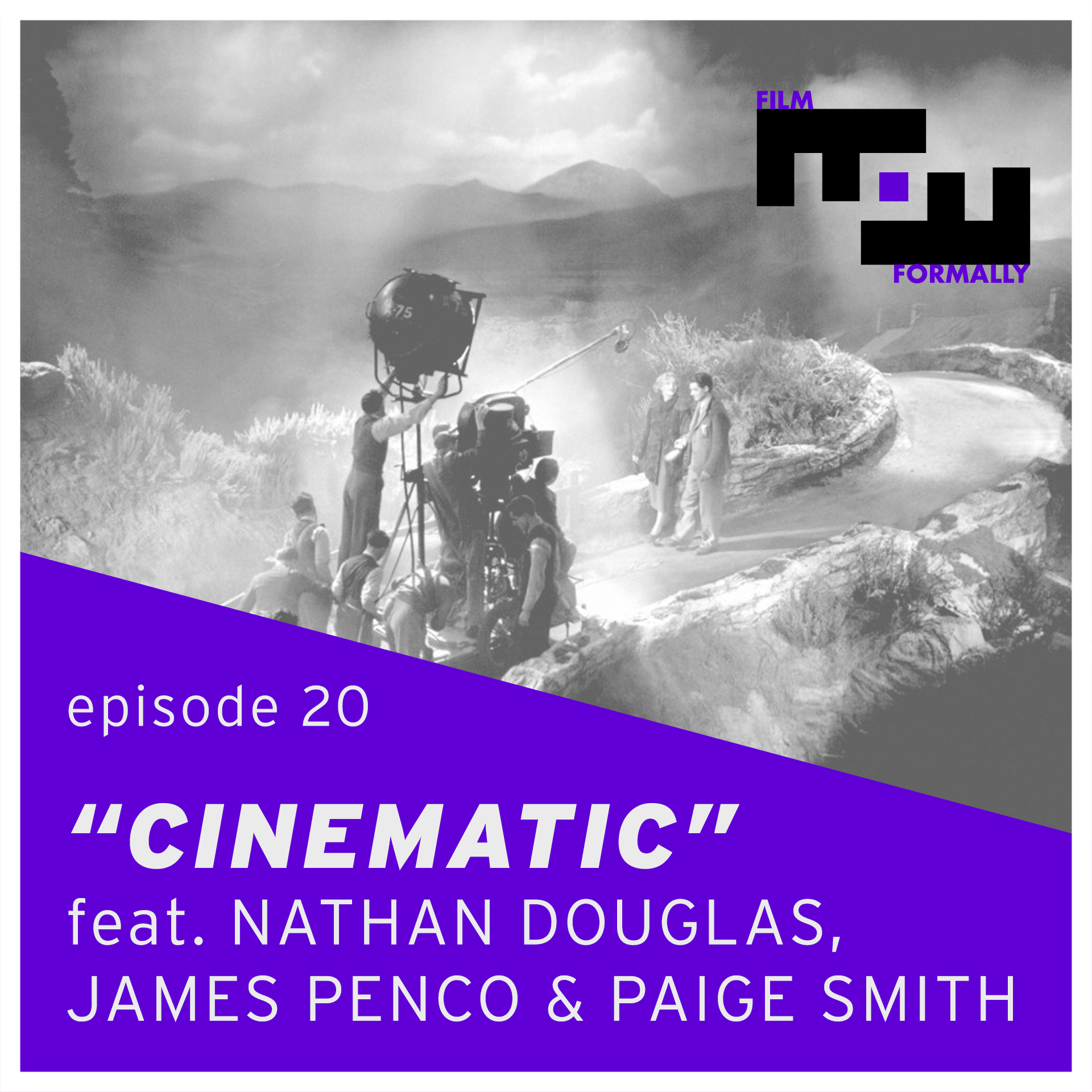
Episode 20 - The Word "Cinematic" feat. Nathan Douglas, James Penco, & Paige Smith
There seem to be as many meanings for the word “cinematic” as there are people who use it, so we enlisted the help of our listeners to provide their own definitions, all of which we read and respond to in this episode. With help from some of our oldest filmmaking friends, we worked to see where everyone was coming from with their takes — from camera bros to arthouse advocates to jaded skeptics — and try to come to terms with what the word signifies for our personal relationships to cinema. We also discuss a few bits of important news about the podcast at the start of the episode.
There seem to be as many meanings for the word “cinematic” as there are people who use it, so we enlisted the help of our listeners to provide their own definitions, all of which we read and respond to in this episode. With help from some of our oldest filmmaking friends, we worked to see where everyone was coming from with their takes — from camera bros to arthouse advocates to jaded skeptics — and try to come to terms with what the word signifies for our personal relationships to cinema. We also discuss a few bits of important news about the podcast at the start of the episode.
Further shownotes to come… but here’s a link to our new Patreon, if you’d like to support the show.
FILM FORMALLY

Film Formally gets granular about how movies work by choosing a technique or trait and studying it through its best examples. Every Tuesday, Independent filmmakers Devan Scott and Willa Ross leverage years of watching and making movies to bring you spirited and approachable conversations, offering brick-by-brick analysis and discussions about how movies work.
Associate Producer: Paige Smith
Current season edited by Amanda Avery
Got an idea? A guest you’d like to hear from? Give us a shout at filmformally@gmail.com.